
Sleep is very important for your health, but many kids and adults have a hard time breathing at night.
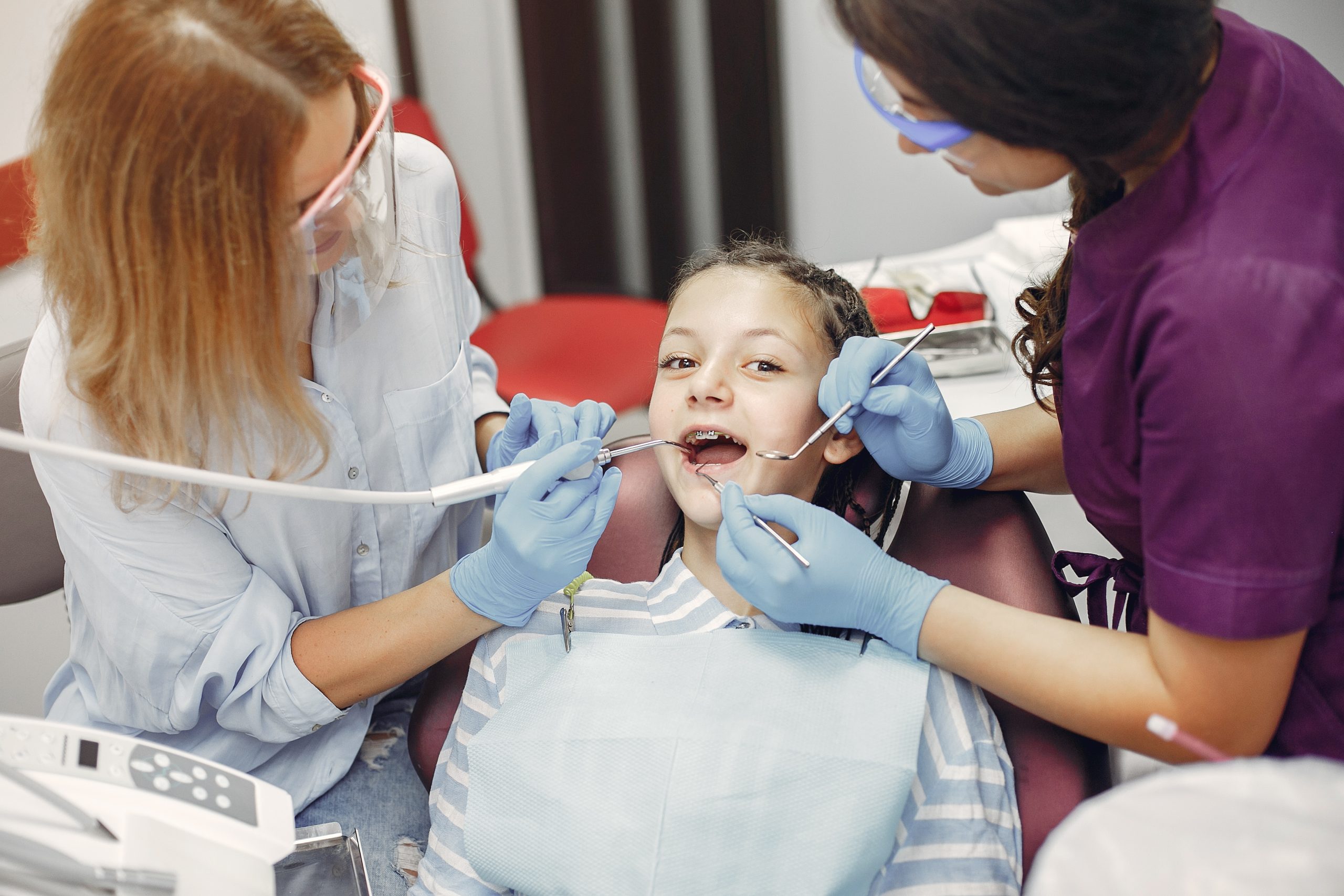
While most people think of dentists only for fixing cavities, a kind pediatric dentist in Grass Lake is often the first person to notice sleep apnea. This happens when the airway gets blocked, causing snoring or feeling very tired during the day.
Because the shape of your mouth and jaw affects how you breathe, dental experts can help open those air paths. Fixing these issues early helps kids rest better, focus at school, and stay healthy.
How Does The Shape Of The Mouth Affect Breathing?
The way your teeth and jaws fit together decides how much room your tongue and air have.
If a child has a very narrow top jaw or a bottom jaw that sits too far back, the tongue can slide back and block the air while they sleep.
- Narrow Mouth: A small top jaw can make a child breathe through their mouth, which makes the airway tighter.
- Small Chin: If the bottom jaw is too small, it pushes the throat tissues closer together.
- Crowded Teeth: Very messy or crowded teeth are often a sign that the mouth didn’t grow wide enough.
- High Roof: A very high roof of the mouth can take up space where air should flow through the nose.
Using Dental Tools To Open The Airway
One of the best ways to help with breathing is a special orthodontic treatment for sleep apnea that helps the jaw bones grow. Instead of just moving teeth, these pros use tools to reshape the mouth.
For example, a “palatal expander” can slowly widen the top jaw over a few months. This makes room for adult teeth and also makes the nose area bigger, so more air can get through.
By fixing the shape of the face, the team can often stop sleep apnea without needing a big, loud breathing machine.
Finding Fast Solutions For Your Family
When a child isn’t sleeping well, parents want to start a plan right away. Searching for same day braces near you or fast-start tools is a great way to help them feel better sooner.
During the first visit, the team uses 3D pictures to see exactly how the jaw is shaped and where the air might be getting stuck.
These high-tech tools let the team make a plan just for your child and sometimes even start the first steps on the very same day. Fast help means your child can start breathing and sleeping better very soon.
Ways To Help Sleep Apnea
| Method | Widening the Jaw | Breathing Machine | Mouth Guards |
| How it works | Makes the jaw bone wider | Blows air into the nose | Holds the jaw forward |
| Is it permanent? | Yes, it stays fixed | No, only while wearing it | No, only while wearing it |
| Is it comfortable? | High (it stays in place) | Low (uses a big mask) | Medium (it feels bulky) |
| Best For | Growing children | Adults with bad apnea | Adults with mild apnea |
Why Is A Local Clinic Best For Kids?
Picking a pediatric dental clinic near you makes it much easier to handle the check-ups. Since widening the jaw happens slowly, you will need to stop every few weeks to make sure everything is safe.
A local team that works with kids knows how to make these visits fun and easy. They can also talk to your child’s other health pros to make sure the whole body is doing well.
Having a team you trust nearby means you can get fast answers if you notice any changes in how your child sleeps.
Signs Of Sleep Issues In Children
It is good for parents to know what to look for at home. Kids often show different signs of sleep problems than adults do.
If you see these habits, it might be time to ask an expert to check your child’s jaw.
- Loud Snoring: Snoring in kids is usually a sign that their airway is too tight.
- Open Mouth: If your child breathes through their mouth while playing or sleeping, they might be struggling to use their nose.
- Wiggling in Bed: Moving around a lot or sleeping in weird spots is a sign that the body is fighting for air.
- Grinding Teeth: Many kids grind their teeth at night because their body is trying to wake them up to breathe.
Better Sleep for a Happier Child
Helping your child breathe better at night is one of the best gifts you can give them. When a child sleeps well, they have more energy, do better in school, and stay healthy. You deserve to know that your child is resting safely every single night.
Using simple dental tools to fix the shape of the jaw is a safe and lasting way to help them breathe.
At Grass Lake Pediatric Dentistry and Orthodontics, we care about your child’s whole health and are here to help them get the best rest possible.
Are you worried about your child’s snoring or how they sleep at night? Contact Grass Lake Pediatric Dentistry and Orthodontics today to book a visit and find out how we can help your child sleep soundly!
Frequently Asked Questions
Can an expander really stop snoring?
Yes, by making the roof of the mouth wider, it opens the nose and throat so air can move quietly and easily.
Will my child have to wear a mask at night?
In many cases, fixing the jaw with dental tools means they won’t need a mask or a loud machine to help them breathe.
Is the widening process painful?
Most kids feel a little “tight” for a few minutes when the tool is turned, but it doesn’t usually hurt.
How long does the treatment last?
Most kids wear an expander for about six to nine months to make sure the bone stays in the new, wider spot.


